Choosing a Supplement Tracker: The Features That Actually Matter
If you search for a “supplement tracker app,” you’ll find dozens of options that all look similar at first glance: a list of pills, a reminder bell, and a streak counter. But once you actually start using one daily, the differences that matter aren’t cosmetic — they’re about whether the app understands the chemistry of what you’re taking, not just the schedule.
Here’s what to actually look for.
Feature-by-Feature Breakdown
| Feature | Typical Reminder Apps | What SuppTime Does |
|---|---|---|
| Dose reminders | Yes | Yes |
| Interaction & synergy warnings | Rare or absent | Checks your full stack against a curated database of known interactions and synergies, with cited sources |
| Free web-based interaction checker | Not offered | Available with no account or download required |
| Timing based on chronopharmacology | Generic “morning/evening” toggle | Schedules doses across six time slots based on absorption science (e.g., iron’s hepcidin cycle, calcium’s dose ceiling) |
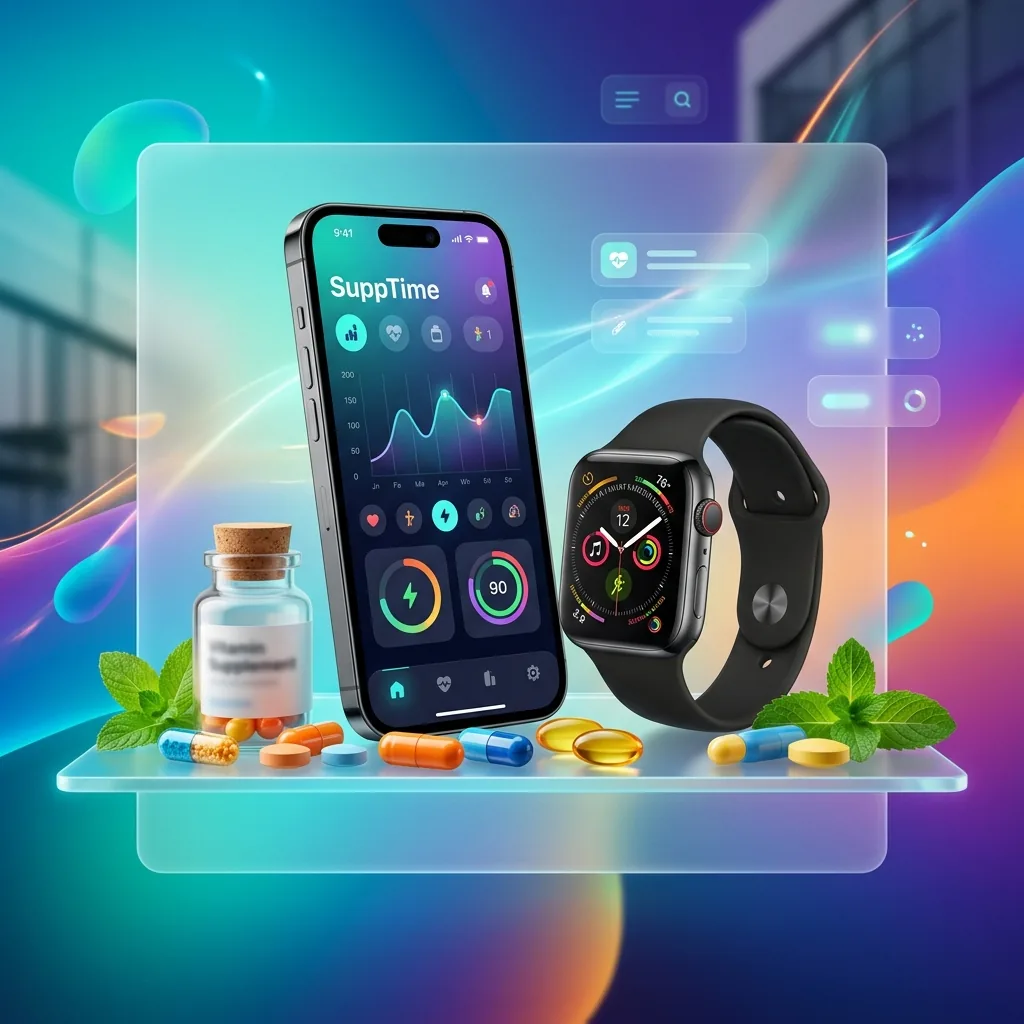
| Apple Watch app | Rare | Native watchOS app for wrist logging |
| Data & privacy | Often account + server-based | Offline-first, iCloud-only sync, no accounts, no servers |
| Language support | Usually English-only or a handful of locales | 17 languages |
| Price model | Often subscription-locked from day one | Free trial, no card required to start |
What Most Tracking Apps Get Wrong
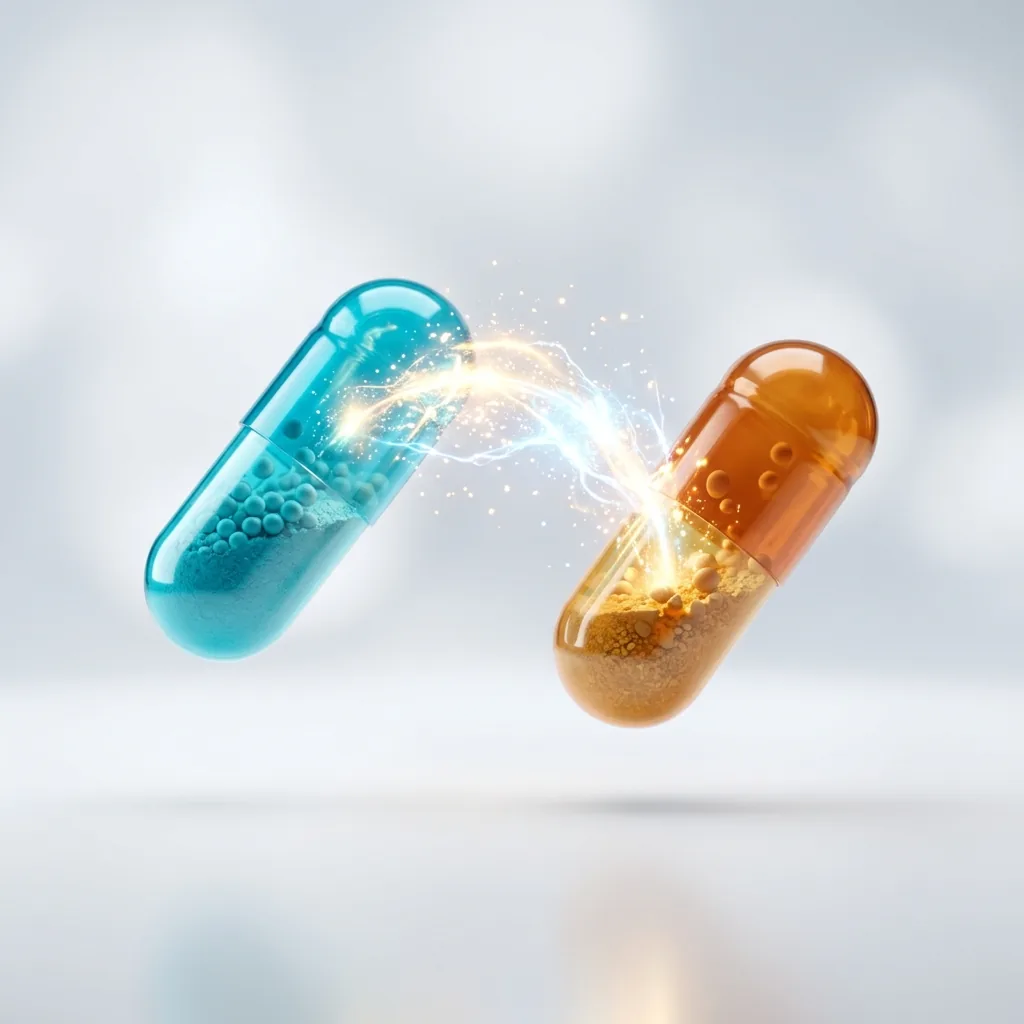
A reminder that fires at 8 AM and 8 PM is trivial to build — dozens of generic habit-tracker apps already do this for medication, water intake, or exercise. The actual hard problem in supplement tracking is different: knowing which combinations quietly cancel each other out, and which ones should never be taken in the same sitting.
Calcium blocking iron absorption. Levothyroxine interacting with nearly every mineral. Coffee cutting non-heme iron uptake by up to 70%. These aren’t edge cases — they’re common stacks that most people build by accident, one supplement bottle at a time, with no single tool checking the combination.
Where a Dedicated Interaction Engine Changes the Outcome
The difference between “I take my vitamins” and “I take my vitamins effectively” usually comes down to three things:
- Sequencing — some nutrients compete for the same absorption pathway and need to be spaced apart, not stacked together.
- Food context — fat-soluble vitamins require dietary fat to absorb at all; water-soluble ones often don’t care.
- Medication awareness — many common prescriptions (thyroid hormone, PPIs, metformin, bisphosphonates) have well-documented supplement interactions that a generic reminder app has no way of flagging.
A tracker that only handles reminders will never catch any of this. A tracker built around an interaction engine — checked against real, citable research — can.
[!TIP] Curious what’s actually in your current stack? Try the free Supplement Interaction Checker — no download or account required, and every result is backed by a cited source.
Summary
Reminders solve forgetting. They don’t solve the more expensive mistake: taking the wrong combination, at the wrong time, for months, without ever knowing it was working against you. That’s the actual feature to evaluate when comparing supplement apps — not the reminder bell, but what happens the moment you add a second and third supplement to your daily stack.
This article reflects SuppTime’s own product design choices and general, publicly documented patterns in the supplement-tracking app category. It does not name or make claims about any specific competing product.