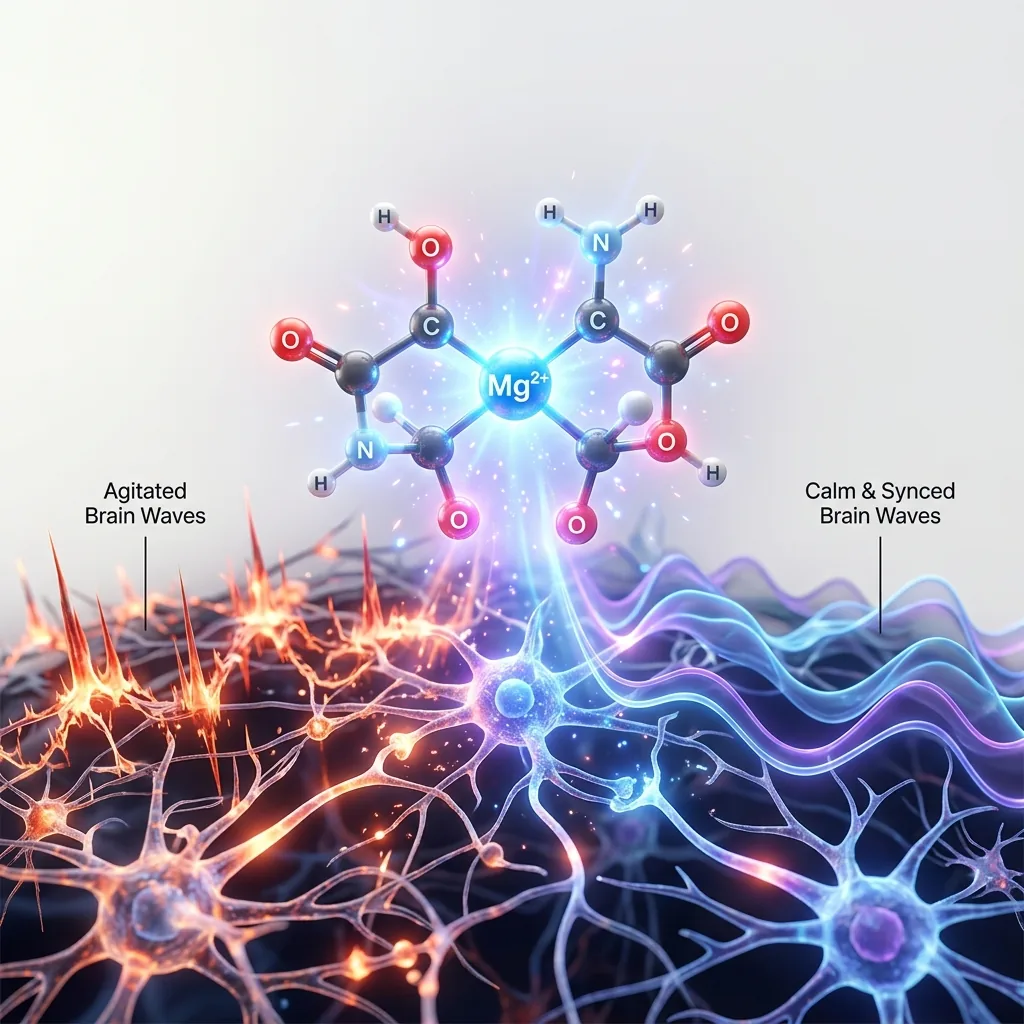

The Ultimate Guide to Magnesium: Which Form is Right for You?
Often described as a primary engine of cellular physiology, magnesium is an indispensable macromineral that governs the metabolic rhythms of the human body. It acts as a necessary cofactor in over 600 enzymatic reactions, regulating processes that range from cellular energy production to neurotransmission and muscular contraction.
Despite a minimum daily requirement of 350 mg for men and 300 mg for women, up to 50% of the population fails to meet their basic dietary magnesium needs. This widespread depletion is driven by highly processed diets and the declining mineral content of modern agricultural soils. Furthermore, chronic stress accelerates this depletion by triggering the rapid excretion of intracellular magnesium, creating a dangerous feedback loop of mineral loss and heightened anxiety.
To resolve this deficiency effectively, selecting the appropriate chemical form of magnesium is essential. Here is the ultimate clinical breakdown of the key magnesium forms and their specific benefits.
1. Magnesium Glycinate (Best for Sleep & Anxiety)
Magnesium glycinate (or bisglycinate) is an organic chelate consisting of magnesium bound to glycine, a calming amino acid.
- Target Benefits: Glycine serves as an inhibitory neurotransmitter in the central nervous system, promoting profound relaxation. Clinical studies show it significantly reduces insomnia severity, supports muscle relaxation, and mitigates symptoms of anxiety.
- Bioavailability: Exceptional. It utilizes highly efficient dipeptide active transport pathways, minimizing the risk of stomach irritation or diarrhea.
- Optimal Timing: Best taken in the evening, 1–2 hours before sleep. It can be taken safely with or without food.
2. Magnesium L-Threonate (Best for Brain Health)
Magnesium L-threonate is bound to L-threonic acid, a natural metabolite of Vitamin C.
- Target Benefits: This is the only form of magnesium proven to effectively cross the blood-brain barrier. It significantly raises magnesium concentrations in the cerebrospinal fluid, enhancing memory, learning, and synaptic plasticity. Studies indicate it can effectively reverse markers of cognitive aging.
- Optimal Timing: Best taken in a split dose: one capsule in the morning for daytime focus, and a second capsule two hours before bedtime to support restorative sleep.
3. Magnesium Citrate (Best for Digestion)
Magnesium citrate pairs magnesium with citric acid, making it highly water-soluble.
- Target Benefits: Highly effective for systemic mineral repletion and notoriously effective as a digestive aid. By drawing water into the colon, it stimulates peristalsis and resolves constipation safely and predictably.
- Optimal Timing: Best taken in the evening or split into smaller doses. It should ideally be taken with a meal to enhance absorption and reduce potential stomach sensitivity.
4. Magnesium Malate (Best for Energy & Muscles)
Magnesium malate combines magnesium with malic acid, a key component of the Krebs citric acid cycle.
- Target Benefits: By delivering both the mineral and the metabolic substrate directly to the mitochondria, it is highly effective for supporting cellular energy (ATP) production and muscle recovery. It is a preferred choice for combating chronic fatigue and muscle pain.
- Optimal Timing: Best taken in the morning or early afternoon with food to align with the body’s natural energy needs.
5. Magnesium Oxide (The One to Avoid for Repletion)
Despite possessing a high concentration of elemental magnesium by weight, magnesium oxide has very low systemic bioavailability (only 4% to 15% is absorbed). Because it relies heavily on stomach acid to convert into a soluble form, it is highly ineffective for systemic replenishment. Its primary therapeutic utility is strictly as a powerful, short-term laxative or antacid.
Micronutrient Interactions: Synergisms and Antagonisms
Achieving cellular magnesium saturation requires an understanding of how minerals and vitamins interact in the gastrointestinal tract.
Synergistic Accelerators (Take These Together)
- Vitamin B6: Serves as an active cellular transport agent for magnesium, escorting the mineral across plasma membranes. Co-supplementing B6 with magnesium drastically improves stress reduction outcomes.
- Vitamin D3: Magnesium is an indispensable cofactor for converting Vitamin D into its active form, while Vitamin D upregulates the proteins needed to absorb magnesium. They are a perfect pair.
- Prebiotic Fibers: Fibers like inulin lower intestinal pH, which facilitates the passive absorption of magnesium.
Antagonistic Competitors (Avoid Taking Together)
- Calcium: Calcium and magnesium compete for the same absorption pathways. Taking them together in high doses inhibits magnesium absorption. Avoid taking your magnesium supplement alongside heavy dairy or calcium pills.
- Iron & High-Dose Zinc: High doses of iron or zinc (over 140mg) will significantly disrupt and reduce the intestinal absorption of magnesium. Keep these supplements separated by a few hours.
The Chronobiological Challenge
Developing a comprehensive, science-backed magnesium regimen can quickly become complex. A highly effective protocol often requires using multiple forms at different times of the day, while strictly avoiding interactions with calcium or iron.
Managing this multi-form schedule manually often leads to missed doses, incorrect timing, and reduced therapeutic benefits.
Optimizing Your Regimen with SuppTime
To solve this exact scheduling challenge, health-conscious individuals utilize SuppTime, a premium, entirely ad-free iOS application designed specifically to organize and optimize complex supplement regimens.
- Intelligent Timing Slots: SuppTime provides a precise, slot-by-slot daily tracker. You can easily schedule Magnesium Malate at Breakfast, split L-Threonate across the day, and set a dedicated reminder for Magnesium Glycinate exactly Before Sleep.
- Smart Interaction Alerts: Powered by a clinical database, SuppTime automatically identifies competitive absorption conflicts. If you attempt to schedule a Calcium supplement or a high-dose Zinc tablet in the same time slot as your Magnesium, SuppTime instantly flags the conflict.
- Strict Privacy: Operating on a fully decentralized, offline architecture, SuppTime requires no user accounts and tracks zero personal health data, syncing everything privately via your Apple iCloud.
By offloading the complex calculations of absorption times, food requirements, and nutrient interactions to SuppTime, you can effortlessly maintain a highly precise, scientifically optimized supplement routine.
References
- Schuster J, Cycelskij I, Lopresti A, Hahn A. Magnesium Bisglycinate Supplementation in Healthy Adults Reporting Poor Sleep: A Randomized, Placebo-Controlled Trial. Nutrients. 2025.
- Zhang C, Hu Q, Li S, Dai F, Qian W, Hewlings S, Yan T, Wang Y. A Magtein®, Magnesium L-Threonate, -Based Formula Improves Brain Cognitive Functions in Healthy Chinese Adults. Nutrients. 2022.
- Lindberg JS, et al. Magnesium bioavailability from magnesium citrate and magnesium oxide. J Am Coll Nutr. 1990.
- Pouteau E, Kabir-Ahmadi M, et al. Superiority of magnesium and vitamin B6 over magnesium alone on severe stress in healthy adults with low magnesemia: A randomized, single-blind clinical trial. PLoS One. 2018.
- Hardwick LL, Jones MR, Brautbar N, Lee DB. Magnesium absorption: mechanisms and the influence of vitamin D, calcium and phosphate. J Nutr. 1991.
This article is for informational purposes only and does not constitute medical advice. Consult a qualified healthcare professional before changing your supplement or medication routine.
Common Questions
Which form of magnesium is best for sleep?
Magnesium glycinate (bisglycinate). It's bound to glycine, a calming amino acid, and clinical studies show it reduces insomnia severity and supports muscle relaxation with minimal risk of digestive upset.
Which magnesium form should I avoid?
Magnesium oxide. Despite a high elemental magnesium content by weight, only 4-15% of it is actually absorbed — it's mainly useful as a short-term laxative, not for correcting a deficiency.
What's the best magnesium form for constipation?
Magnesium citrate. It's highly water-soluble and draws water into the colon, stimulating peristalsis and relieving constipation safely and predictably.
Can I take magnesium and calcium together?
Not in high concentrated doses at the same time — they compete for the same absorption pathway. Take calcium in the morning with food and magnesium in the evening instead.